You may be wondering what all the fuss is about when it comes to Omega 3. What actually is it, why is it so important and what are the best foods to find it in? I’m here to attempt to answer all these questions in the most simplified way, as well as give you some advise to make sure you’re getting enough on a plant-based diet.
What is Omega 3 and why is it so important?
Omega 3 is defined as a group of fatty acid chains, which play an important role in the overall wellbeing of both our physical and mental health. These Omega 3 chains are vital for the maintenance of our brain and eye health, as well as in decreasing inflammation in the body and lowering the risk of developing heart disease and certain cancers. Studies have even shown that high levels of Omega 3 can help individuals who are suffering from depression, ADHD and Bi-Polar Disorder. Unfortunately, humans are unable to produce Omega 3 naturally and therefore we rely entirely on our diet to consume enough of it.
There are 3 main chains of fatty acids that we need to focus on for this conversation:
- ALA
- EPA
- DHA
ALA stands for ‘Alpha-Linolenic Acid’ and it is the shortest of the Omega 3 chains. ALA is also the most common chain to be found in our diets, and therefore, the most easily consumed. EPA and DHA are both longer chain fatty acids and are a lot less commonly found in plant-based foods. However, humans are able to convert ALA into EPA through a process that takes pace in the liver (or alternatively through the consumption of microalgae.) EPA can then be used to transform into DHA, which is arguably the most essential of the Omega 3 fatty acid chains (for brain development and heart health). To ensure the efficiency of converting ALA to EPA and DHA, it is important to make sure we are consuming enough ALA rich foods, and not too much Omega 6 as these can hinder the conversion process.
What foods contain Omega 3?
You may be wondering if you can only consume Omega 3 fatty acids through eating fish and other animal based products (as these are the most well known sources). However, this isn’t true at all. It would actually appear that much of the Omega 3 found in fish actually comes from the algae they ingest. It is therefore possible for us to cut out the middle man (or middle fish) and go straight to the source ourselves. The fish we eat can also be contaminated with plastic, mercury, antibiotics and herbicides which is harmful to our bodies. Aside from these health concerns, there is also the cruelty involved in fish farming, as well as the devastating environmental impact that fishing has on the planet.
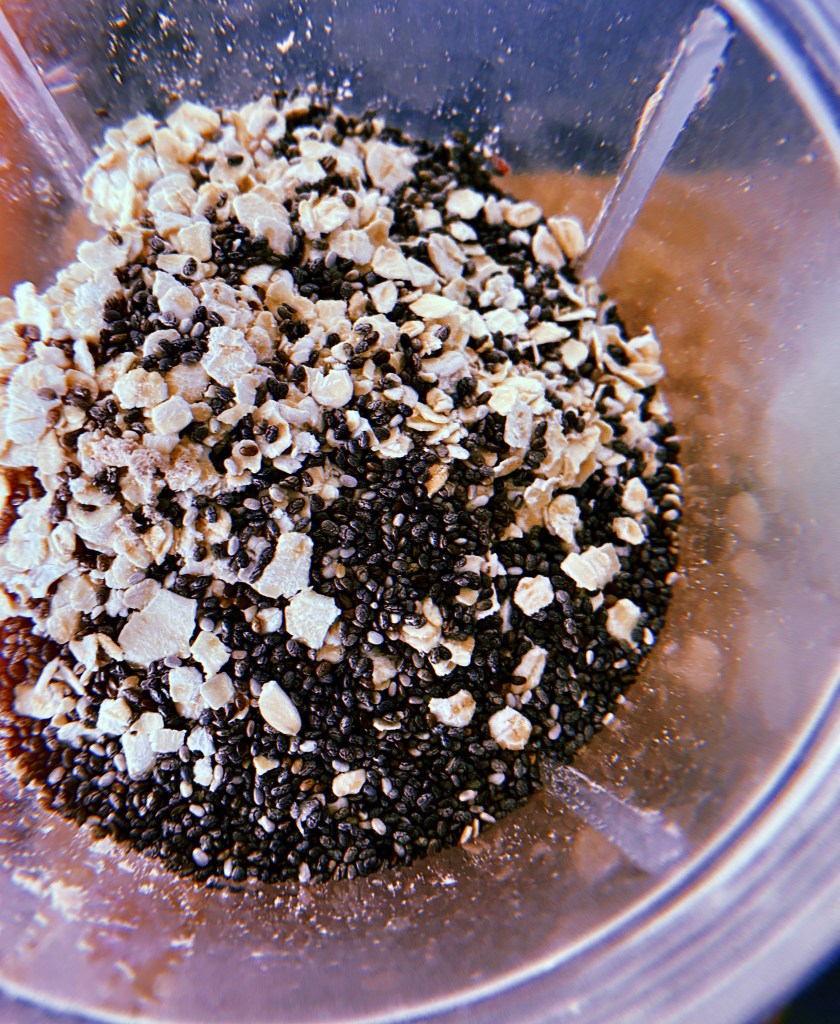
So what are plant-based sources of Omega 3? Common ways to incorporate this essential nutrient include: chia seeds (one tablespoon alone contains your daily amount of ALA Omega 3 fatty acids), flax seeds, walnuts, brussel sprouts, kidney beans and seaweed. Most of these contain high levels of ALA, whereas seaweed has been found to naturally contain EPA fatty acid chains too. (Seaweed also has many other health benefits, including high levels of vitamin B12). Other benefits of consuming your Omega 3 through plant-based foods involves the addition of fiber (which animal products don’t contain) as well as plant-based proteins. I would highly suggest incorporating more of these Omega 3 rich plant-based foods into your diet if you aren’t doing so already. However, if you are concerned about your body’s natural ability to convert ALA chains into EPA or DHA, its is always possible to take algae supplements to give you a helping hand.
Please let me know if you have any questions, and feel free to share your thoughts below!
 Be Kind