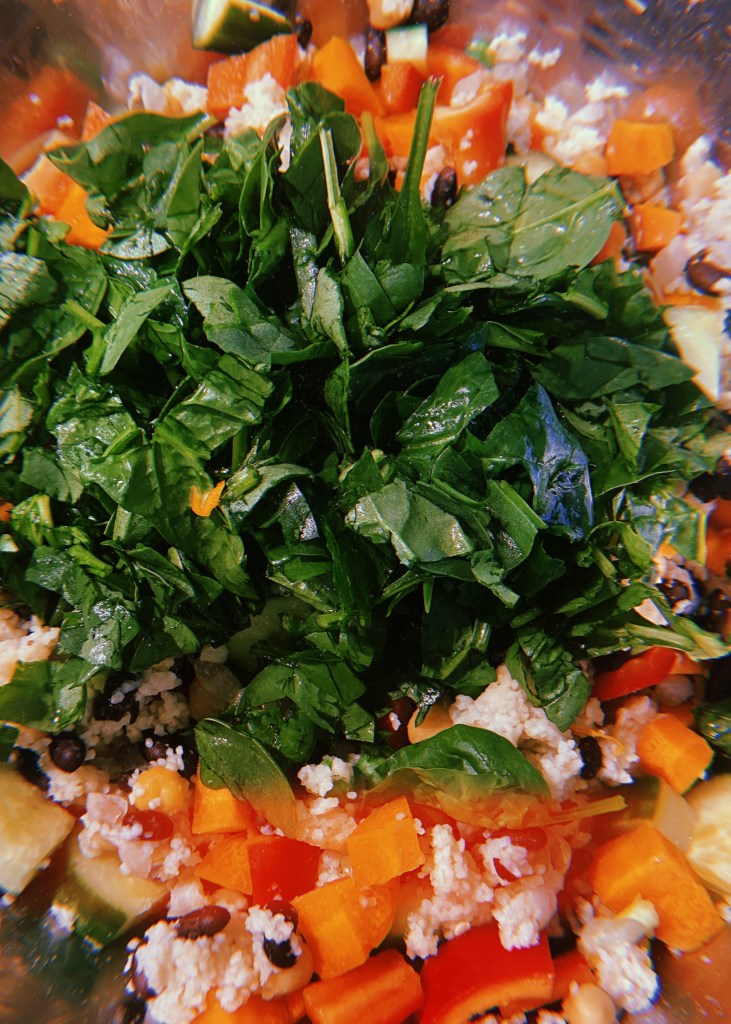
One of the most commonly asked questions we receive as vegans is: “but where do you get your protein from?” The answer is probably not as straight forwards as people would hope- but that’s simply because there is a plethora of ways we can incorporate enough protein into our plant-based lifestyles. Experts state that our daily protein requirement can be “easily met with a diet consisting of a variety of whole plant foods” and I am here to give you some tips and tricks as to how you can do this so seamlessly throughout your day that you’ll barely even notice.
Breakfast:
It’s important to start your day right with a good source of protein, especially if you exercise first thing in the morning. Protein is important in contributing to “healthy muscles and bones, tissue repair, a healthy immune system” (and so much more). A great option for a high-protein animal-free breakfast would involve some form of oats (porridge, overnight oats – whatever your preference!) Just half a cup of dry oats “provides approximately 5 grams of protein and 4 grams of fiber” and is a very versatile option. The hacks I use to up the protein in my breakfast include the following:
- Plant-based protein powders – These can be stirred into your overnight oats or porridge, can be added to a morning smoothie packed full of fruits or can be enjoyed in a protein shake, alongside your breakfast (preferably with soy milk – *see below)
- Peanut butter – Much like protein powder, this is a simple way to increase the protein in your breakfast (as well as the flavour!) Nut butters can be spread on high-protein multigrain bread, stirred into oatmeal or even added to smoothies/ on top of smoothie bowls. Just two tablespoons of peanut butter can contain up to 7 grams of protein. Which roughly makes up for over 10% of your recommended daily intake of protein.
- Hemp /Chia seeds – A sprinkle of these on your breakfast could add an enormous amount of extra protein. Hemp seeds alone are said to contain 15.5 grams of protein per half a cup. Chia seeds contain roughly 5 grams of protein per every two tablespoons they also contain the added benefit of omega 3 fatty acids.
- *Soy milk – An easy add in for your smoothies, cereals and tea/coffee in the morning. Soy milk can have up to 8 grams of protein per cup – the same amount of protein found in cow’s milk!
Lunch:
For a higher protein lunch I would recommend a combination of healthy grains and vegetables. Quinoa is said to contain about 8 grams of protein per cooked cup and wild rice is not far behind with 7 grams. Added to this you could include some form of beans as well as higher protein vegetables. Some of the most protein rich veggies include: broccoli, spinach, asparagus, artichokes, potatoes, sweet potatoes, and Brussels sprouts, which typically contain 4–5 grams of protein per cooked cup. If you want to take your lunches to the next level I would also recommend adding on the below:
- Pumpkin seeds – A simple addition on top of a salad and just half a cup can add an extra 6 grams of protein to your meal.
- Avocado – Sliced, smashed or in the form of guacamole, one cup of avocado is said to add 4 grams of protein to your day. (This can be a good option for breakfast too!)
- Spinach – Much like avocado, this green leafy vegetable could be a perfect add on in any salad, wrap or cooked lunch and can add an extra 5 grams of protein per cup.
Dinner:
If you’re looking to include extra proteins in your dinner then of course you could use vegan ‘mock’ meat alternatives. However, a cleaner option would be to opt for plant-based proteins, along with a range of beans and vegetables. Black beans, kidney beans and lentils are some of the most protein-packed foods in a vegan diet, all of which contain between 15-20 grams of protein per cooked cup. My recommended add-ons for dinner would include:
- Seitan – This is a plant-based protein made from wheat and very popular amongst vegans. Just 100 grams of seitan can include up to 25 grams of protein and is extremely versatile. Seitan can be used as a meat substitute in a variety of recipes and creates a great add on to any meal.
- Tempeh or Tofu – Both of these are high protein, soybean-based meat alternatives. Tempeh and Tofu could add an extra 20 grams of protein (per 100g) to any meal, as well as great taste and texture depending on the recipe. These can be used as the main ingredient in a meal or an extra bit of crispiness on the side.
- Nutritional Yeast – These cheesy-tasting flakes of goodness can add a whopping 9 extra grams of protein in just two tablespoons, making its protein density higher than that of parmesan cheese.
Snacks:
If you’re looking for healthy, high protein snacks to keep yourself going through the day I would highly recommend munching on:
- Edamame beans – These tasty green beans of goodness contain up to 20 grams of protein per cup. Hardly surprising considering that they come from the same family of soybeans that tempeh and tofu derive from.
- Nuts – The most highly recommended nuts in terms of protein density would include: pistachios, almonds and cashew nuts, but most nuts and nut butters are high in protein regardless. Even having some chopped apple with natural almond butter could add some extra protein to your day.
I hope you can see how simple it can be to be able to incorporate plant-based proteins into your diet and that its perhaps less daunting than you thought it might be. Please feel free to leave your favourite plant-based, protein-packed recipes below as well as any questions or suggestions you may have.
 Be Kind
Leave a comment